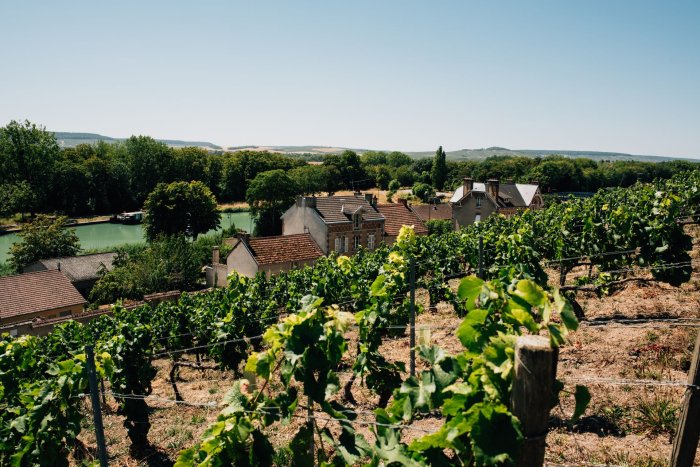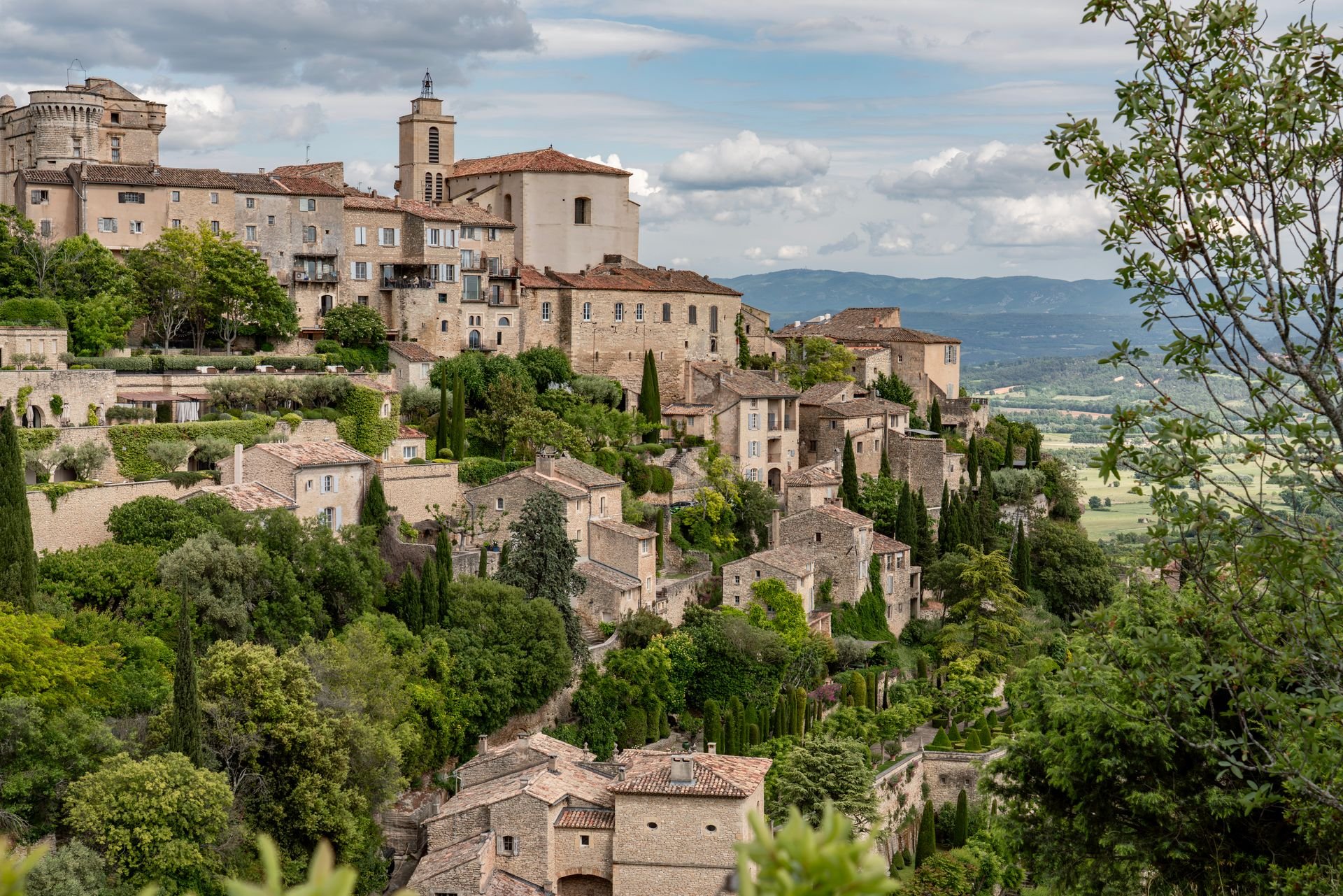
When people decide to learn French in France, Paris is usually the first name that comes to mind. It makes sense: it is the capital, it is easy to reach, and it has more language schools than anywhere else in the country. The question worth asking is not which place is better, but which one will make you speak more French in the time you have.
This comparison is written by a school in a small town, Sancerre, so read it with that in mind. The aim is to be fair to Paris, because for some learners it really is the right choice.
What Paris does well
Choice
Paris has a very wide range of schools, from large institutes to small private tutors, with intensive courses, evening classes and university programs. If you need a particular schedule, a specific exam course or a start date that suits you, you will probably find it there.
Culture on your doorstep
Museums, theaters, cinemas showing French films every night, bookshops, lectures: for an advanced learner, Paris is an enormous source of real French. If your level is already solid and you want to use the language to follow a play or a debate, the city has more to offer than any village.
Easy logistics
You land at the airport, take public transport, and you are there. Shops stay open late, there is always somewhere to eat, and you never need a car.
Where Paris makes immersion harder
English is everywhere
This is the complaint most often heard from learners. In central Paris, hotels, cafés and shops deal with visitors all day, and many staff switch to English as soon as they hear an accent. They are being helpful. For a learner it is frustrating, because the moment you most need to practice is the moment the conversation slips into English.
Published accounts on the school's news page make the same point. An Associated Press reporter who studied in Sancerre wrote that in Paris so many people speak English that an American can struggle to get a French word in at all. In a separate interview, the school's co-founder Gérard Chartrand described the familiar scene of a student practicing hard, then ordering in a café and getting an answer in perfect English.
Distractions and fatigue
A big city is exciting, and that is part of the problem. Commuting across town, the noise and the endless list of things to see all compete with your homework. Many students in Paris also end up spending their evenings with other English speakers from their class, because that is the easy option after a long day.
Cost
Accommodation in central Paris is expensive, and cheaper options often mean a long commute or a shared room. Compare total costs (tuition, housing, transport, food) rather than tuition alone.
What a small town does well
French out of necessity
In a small town, far fewer people in shops and cafés speak English, and nobody has a reason to switch. You need French to buy bread, to ask the pharmacist a question, to understand the price of cheese at the market. That necessity is uncomfortable at first, then extremely useful.
The Telegraph described this in a family's account of a week at Cœur de France: the writer found that the whole town felt like an extended schoolroom, with shopkeepers patiently going along with students' attempts. In one scene, the cheese seller turned teacher and asked how to say a single egg. In The Sunday Times, Simon Spilsbury told how, once the teacher decided his family was ready, she took them shopping: his daughters ordered at the bakery and the post office, and he bought eggs at the grocer's.
People have time to talk
Conversations in a village are slower. The waiter is not serving three hundred covers, and the woman at the post office may well ask you where you are from. These unplanned exchanges are exactly what the classroom prepares you for. The Independent, in a piece also published on the school's news page, noted that the family avoided the frustration of being answered in English because many locals do not speak it.
Fewer distractions
Your day has a simple shape: class, a walk, shopping, dinner, homework. That sounds less exciting than Paris, and it is. It is also why many learners find they absorb more.
Where a small town is harder
A village has real drawbacks too, and it is better to know them before you book.
- Quiet evenings. In The Telegraph, Anthony Gardner wrote that Sancerre is effectively two towns: lively with visitors in summer, very sleepy for the rest of the year. He describes walking its streets one May evening looking for a bottle of wine, with every shop already closed.
- Getting there takes longer. Sancerre is about two hours south of Paris by car or train, and resident students arrive on a Saturday, with check-in between 4 and 6 pm. The getting here page explains the train to Cosne-sur-Loire and the taxi the school books for its resident students.
- Fewer choices. One school, a handful of restaurants, a weekly rhythm. If you need nightlife or a wide choice of courses, a village will feel limited.
- A car helps for longer stays. The school provides transport for its excursions, and you do not need a car for a short stay in the town, but exploring the region on your own is easier with one.
How the two compare
| Question | Paris | Small town |
|---|---|---|
| How often will you need French outside class? | Sometimes; English is easy to fall back on | Almost always |
| Choice of schools and courses | Very wide | Limited |
| Cultural life | Huge, every evening | Local: markets, wineries, heritage, festivals |
| Pace | Fast, many distractions | Slow, few distractions |
| Housing | Expensive in the center | Usually close to the school |
| Getting there | Direct from the airport | An extra train or drive |
Who should choose which
Paris is a good choice if you are already at an upper-intermediate or advanced level, if you want a wide range of cultural events in French, or if you need a specific course that only a large school offers. It also suits people who would feel isolated in a quiet place.
A small town suits you better if your main goal is to speak and understand everyday French, if you tend to switch to English when given the chance, or if you are a beginner or lower-intermediate learner who needs patient listeners more than museums. It also suits families, since children can walk to the bakery on their own and the town itself becomes part of the lesson.
For a wider checklist (class size, real hours of teaching, accommodation, what is included in the price), see the guide on how to choose a French immersion school.
Or do both
You do not have to choose only one. Gérard Chartrand once suggested, in an American newspaper article published on the school's news page, spending a few days in Paris first, to get the city out of your system before the slower life of the countryside. A few days of museums and walks in Paris, then two weeks of classes in a town where you have to use what you learn, is a combination that works well for many people.
If the small town option appeals, you can read more about Sancerre and what daily life there is like, look at the programs, and ask for a free price quote for your dates.